L Glycine About
ChatGPT
L-Glycine is another essential amino acid that plays several important roles in the body. Here's an overview of its key points:
-
Function: Glycine is the simplest amino acid in terms of molecular structure and is involved in numerous physiological processes. It serves as a building block for proteins, plays a crucial role in the synthesis of important molecules such as glutathione, creatine, and collagen, and acts as a neurotransmitter in the central nervous system, where it has inhibitory effects.
-
Sources: Glycine is found in various protein-containing foods, including meat, fish, dairy products, legumes, and certain grains. Additionally, the body can synthesize glycine from other amino acids, such as serine.
-
Benefits:
- Protein Synthesis: Glycine is an essential component of proteins and is required for the synthesis of new proteins in the body, which is essential for growth, repair, and maintenance of tissues.
- Collagen Production: Glycine plays a vital role in the synthesis of collagen, the most abundant protein in the body and a major component of connective tissues, skin, hair, and nails. Therefore, glycine supplementation may help support skin health, wound healing, and joint function.
- Neurotransmission: Glycine acts as an inhibitory neurotransmitter in the central nervous system, where it helps regulate neuronal excitability and neurotransmission. It has calming effects on the brain and may contribute to improved sleep quality and relaxation.
- Detoxification: Glycine is involved in the synthesis of glutathione, a powerful antioxidant that helps protect cells from oxidative damage and supports detoxification processes in the liver.
- Muscle Function: Glycine may also play a role in muscle function and energy metabolism, although more research is needed to fully understand its mechanisms in this regard.
-
Dosage: The recommended dosage of L-Glycine can vary depending on individual needs and health conditions. For general health and well-being, typical dosages range from 1 to 5 grams per day, usually divided into multiple doses. However, specific dosages may be recommended for certain medical conditions or therapeutic purposes.
-
Safety: Glycine is generally considered safe when taken at recommended dosages. However, high doses may cause gastrointestinal discomfort in some individuals. As always, it's important to consult with a healthcare professional before starting any new supplement regimen, especially if you have underlying health conditions or are taking medications.
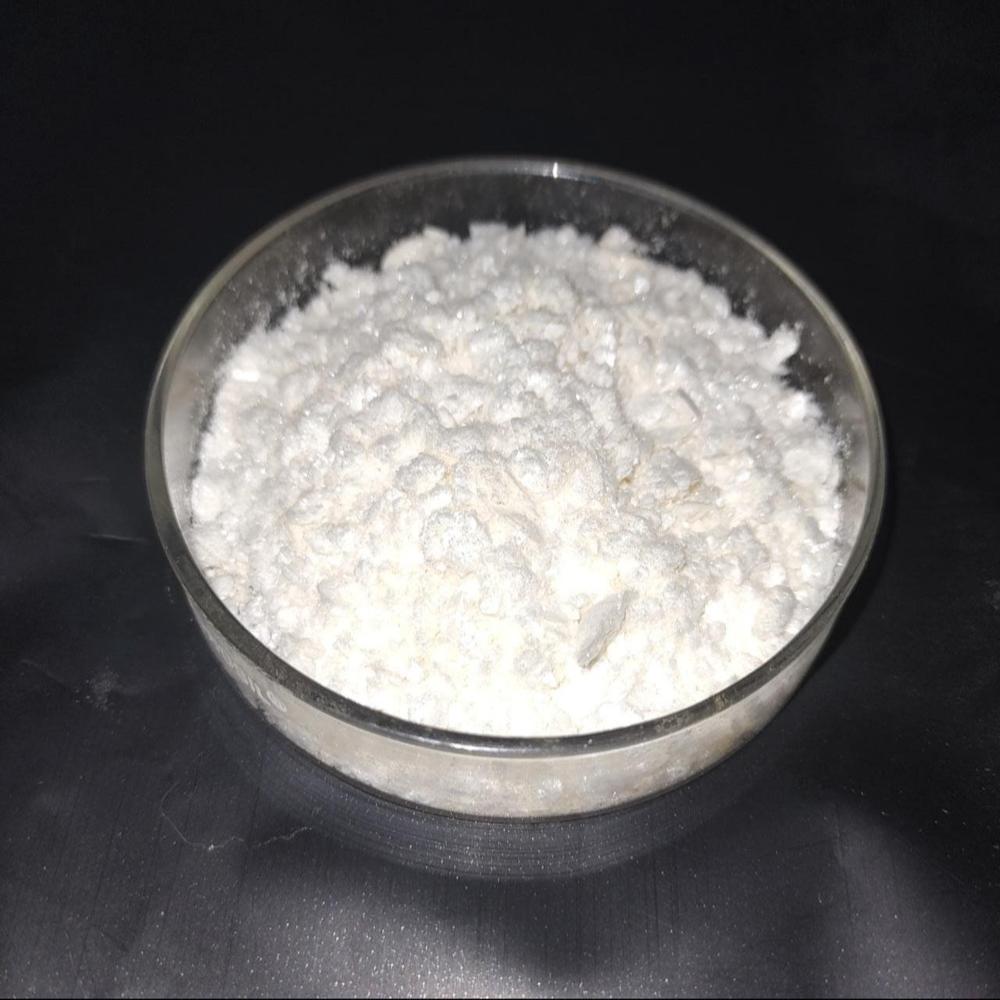
High-Quality Amino Acid SupplementL-Glycine is recognized for its exceptional purity and safety, making it a reliable choice for nutritional, pharmaceutical, and food applications. Its molecular structure enables it to play key roles in protein synthesis and metabolic support. As a high-grade product, it is suitable for a variety of uses including pharmaceuticals, food additives, cosmetic formulations, and scientific research.
Versatile ApplicationsThis amino acid finds use as a nutritional supplement to support metabolic health, enhance nervous system function, and promote collagen production. Whether added to pharmaceutical formulations, food, or cosmetics, L-Glycine is valued for its effectiveness, solubility, and safety. Its slightly sweet taste also lends itself well to flavor enhancement in certain preparations.
Reliable Packaging and StorageL-Glycine is available in robust HDPE bags with liners, each containing 25 kg of product to maintain its integrity during transit and storage. For optimum shelf life and performance, store the product in a cool, dry, well-ventilated place, away from moisture and direct sunlight, and keep below 30C.
FAQ's of L Glycine:
Q: How should L-Glycine powder be used as a nutritional supplement?
A: L-Glycine can be taken orally, with or without food, following the dosage recommended by a healthcare provider. Typical daily intake ranges from 0.5 g to 3 g, but consult a physician for precise guidance based on individual needs.
Q: What benefits does L-Glycine offer for health and wellness?
A: L-Glycine supports protein synthesis, aids metabolic functions, assists in neurotransmission, improves metabolic performance, and is involved in collagen production, contributing to better skin, joint, and nerve health.
Q: When does L-Glycine expire, and how should it be stored?
A: L-Glycine remains optimal for use up to 36 months from the manufacturing date. Store it in a cool, dry, and well-ventilated area away from direct sunlight and moisture, ideally below 30C.
Q: Where is L-Glycine commonly applied?
A: L-Glycine is used globally in the pharmaceutical, food, cosmetic, and research sectors as a nutritional supplement, food additive, and pharmaceutical intermediate due to its purity and versatility.
Q: What is the typical process for the quality assurance of L-Glycine?
A: Each batch of L-Glycine is rigorously tested for purity, heavy metals, arsenic content, and moisture loss, ensuring it meets strict pharmaceutical and food-grade standards (purity 99% min; heavy metals <10 ppm; arsenic <1 ppm).
Q: Is L-Glycine safe and non-allergenic for consumption?
A: Yes. L-Glycine is non-toxic under recommended usage and is classified as non-allergenic, making it suitable for most individuals when used according to guidelines.
Q: How is L-Glycine packaged and supplied?
A: L-Glycine is typically supplied in 25 kg high-density polyethylene (HDPE) bags with liners, ensuring both safety and quality are preserved throughout delivery and storage.










 Send Inquiry


 Send Inquiry