Diacerin API
Diacerin API

Diacerin API

Price 20000 INR/ Kilograms

MOQ : 25 Kilograms

Diacerin API Specification

  • EINECS No
  • 237-351-2
  • Shelf Life
  • 5 years
  • Boiling point
  • Information not available
  • Heavy Metal (%)
  • NMT 20 ppm
  • Taste
  • Slightly bitter
  • Ph Level
  • Neutral (5.0 - 7.0)
  • Poisonous
  • Non-poisonous under recommended usage
  • Melting Point
  • 248C to 252C
  • Structural Formula
  • C19H12O8
  • Molecular Weight
  • 368.3 g/mol
  • Smell
  • Odorless
  • Loss on Drying
  • <0.5%
  • HS Code
  • 29420090
  • Color
  • Yellow
  • Storage
  • Store in a tightly closed container, protected from moisture and light
  • Solubility
  • Insoluble in water; soluble in DMSO, slightly soluble in methanol
  • Molecular Formula
  • C19H12O8
  • Particle Size
  • Not more than 10 micron
  • Medicine Name
  • Diacerin
  • Chemical Name
  • 4,5-Diacetyloxy-9,10-dioxo-anthracene-2-carboxylic acid
  • CAS No
  • 13739-02-1
  • Type
  • API
  • Grade
  • Pharmaceutical Grade
  • Usage
  • Used in the treatment of osteoarthritis
  • Purity(%)
  • >99%
  • Appearance
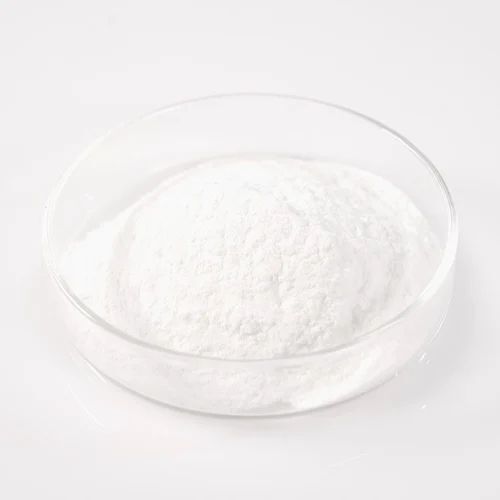
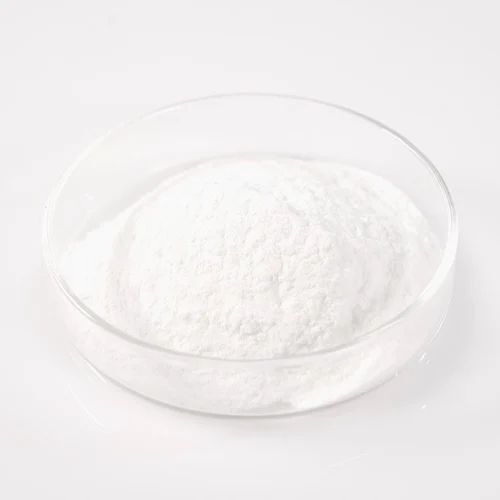
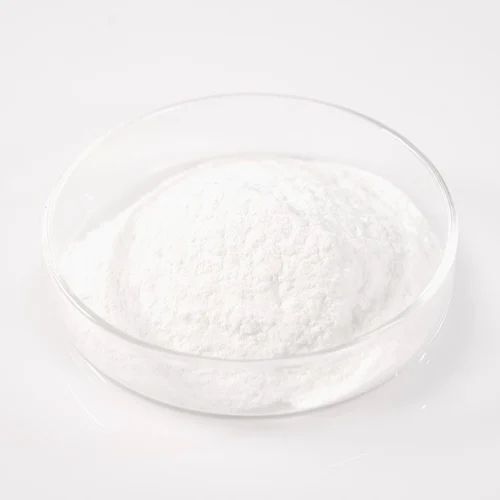
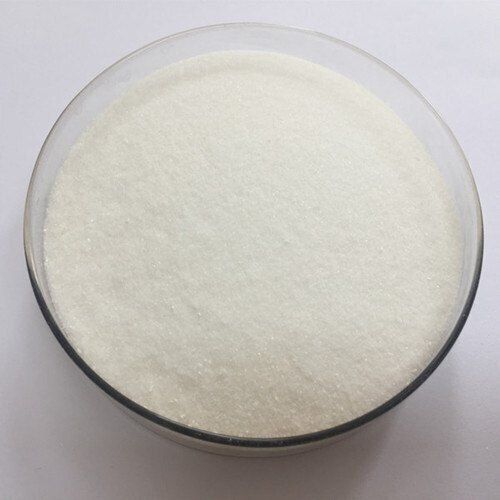
  • Yellow crystalline powder
  • Physical Form
  • Powder
 

Diacerin API Trade Information

  • Minimum Order Quantity
  • 25 Kilograms
  • Main Domestic Market
  • All India
 

About Diacerin API

Diacerein is a medication primarily used in the treatment of osteoarthritis. Here's an overview of its key points:

  1. Function: Diacerein is a slow-acting drug in osteoarthritis (SYSADOA). It works by inhibiting the production of inflammatory mediators, such as interleukin-1 beta (IL-1I2) and tumor necrosis factor-alpha (TNF-), which are involved in the inflammatory process that contributes to cartilage degradation and joint pain in osteoarthritis.

  2. Indications: Diacerein is used to relieve pain and improve joint function in patients with osteoarthritis, particularly in the knees and hips. It may help reduce inflammation and slow down the progression of cartilage degeneration in affected joints.

  3. Administration: Diacerein is typically administered orally in the form of tablets or capsules. The dosage and duration of treatment may vary depending on the severity of the osteoarthritis and the individual patient's response to therapy. It's important to follow the dosage instructions provided by a healthcare professional.

  4. Efficacy: Studies have shown that diacerein can provide symptomatic relief and improve joint function in patients with osteoarthritis, particularly when used over a prolonged period. However, its onset of action is relatively slow compared to other pain relievers, and it may take several weeks to months to achieve maximum benefit.

  5. Side Effects: Common side effects of diacerein may include gastrointestinal symptoms such as diarrhea, abdominal pain, and nausea. These side effects are usually mild to moderate in severity and may improve over time. Rare but more severe side effects may include liver toxicity and skin reactions.

  6. Safety Precautions: Diacerein should be used with caution in patients with a history of gastrointestinal disorders, liver disease, or kidney impairment. It is not recommended for use in pregnant or breastfeeding women and should be avoided in patients with inflammatory bowel disease or severe renal impairment.

  7. Regulation: Diacerein is available by prescription in many countries and should only be used under the guidance of a healthcare professional. It is important to follow all local regulations and guidelines regarding the use of diacerein for the treatment of osteoarthritis


High Purity and Consistent Quality

Diacerin API boasts a purity level greater than 99.0%, ensured through advanced manufacturing and quality control methods, including HPLC and IR for reliable identification. Related substances are maintained below 0.1%, and heavy metal content is strictly limited, aligning with global pharmaceutical standards.


Stringent Safety and Stability Parameters

Produced under controlled environments, Diacerin complies with ICH Q3C guidelines for residual solvents and rigorous microbial safety criteria-total bacterial counts are kept below 1000 cfu/g, with no detected pathogens. This API remains stable for up to five years under appropriate storage, protected from moisture and light.


A Trusted API for Osteoarthritis Treatment

Widely used in the management of osteoarthritis, Diacerin inhibits cartilage degradation and is formulated to be safe, odorless, and non-poisonous under recommended usage. With excellent solubility in DMSO and limited solubility in methanol, it offers ease of formulation for pharmaceutical manufacturers.

FAQ's of Diacerin API:


Q: How is Diacerin identified and its purity ensured?

A: Diacerin is identified and its purity is confirmed using advanced analytical techniques such as Infrared Spectroscopy (IR) and High-Performance Liquid Chromatography (HPLC). The purity level is guaranteed to be above 99.0%, ensuring pharmaceutical-grade quality.

Q: What is the recommended storage condition for Diacerin API?

A: Diacerin should be stored in a tightly closed container, protected from moisture and light. Under these recommended conditions, the product remains stable and retains its efficacy for up to five years.

Q: When should Diacerin be used in pharmaceutical formulations?

A: Diacerin is commonly used in the development of medications for the treatment of osteoarthritis. It is suitable for use in formulations where a high-purity (>99%) API is required, and is selected for its effectiveness in inhibiting cartilage degradation.

Q: Where is Diacerin API typically supplied and how is it packaged?

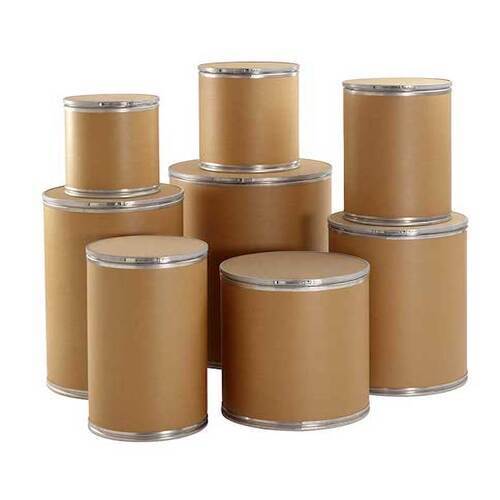
A: Diacerin API is manufactured and supplied from India, packed securely in double polyethylene bags placed within HDPE drums to maintain quality and prevent contamination during transit and storage.

Q: What processes are in place to ensure the safety of Diacerin regarding solvents, heavy metals, and microbial contamination?

A: The API complies with ICH Q3C guidelines for residual solvents, restricts heavy metal content to not more than 20 ppm, and maintains microbial counts below 1000 cfu/g, with strict exclusion of pathogens and endotoxin levels below 0.1 EU/mg, ensuring a safe pharmaceutical ingredient.

Q: How is Diacerin used and what are its pharmaceutical benefits?

A: Diacerin is incorporated into medications targeting osteoarthritis, offering the benefit of slowing cartilage degradation. It is valued for its high purity, consistent quality, and favorable safety profile as a non-poisonous API.

Q: What are Diacerin's key physical properties relevant to formulation scientists?

A: Diacerin is a yellow, odorless, crystalline powder with a neutral pH (5.0-7.0), particle size not more than 10 microns, and low loss on drying (<0.5%). It is insoluble in water, easily soluble in DMSO, and slightly soluble in methanol, making it suitable for diverse drug formulations.

Tell us about your requirement
product

Price:

Quantity
Select Unit

  • 50
  • 100
  • 200
  • 250
  • 500
  • 1000+
Additional detail
Mobile number

Email

More Products in Pharma API Category

Xanthan gum

Xanthan gum

Price 350 INR / Kilograms

Minimum Order Quantity : 100 Kilograms

Shelf Life : 24 months

Color : Other, White or cream

Loss on Drying : 13.0%

HS Code : 39139090

Beta Sitosterol 20%

Beta Sitosterol 20%

Price 1500 INR / Kilograms

Minimum Order Quantity : 50 Kilograms

Shelf Life : 24 Months

Color : Other, White to OffWhite

Loss on Drying : 5%

HS Code : 2936

Fructo oligosaccharide

Fructo oligosaccharide

Price 450 INR / Kilograms

Minimum Order Quantity : 50 Kilograms

Shelf Life : 24 months

Color : White

Loss on Drying : 5.0%

HS Code : 170290

Rosuvastatin calcium

Rosuvastatin calcium

Price 14000 INR / Kilograms

Minimum Order Quantity : 100 Kilograms

Shelf Life : 24 months

Color : White

Loss on Drying : NMT 0.5%

HS Code : 29350090


Back to top